
The Impact of Climate on Vehicle Maintenance
Weather plays a significant role in determining how often you should change your vehicle’s oil. Different climates can affect engine performance, oil viscosity, and overall vehicle maintenance needs. Understanding these factors is crucial for vehicle owners looking to extend the lifespan of their cars and avoid unnecessary wear and tear. This article explores how various weather conditions impact oil change frequency and offers practical advice on maintaining your vehicle effectively.
Cold Weather Concerns
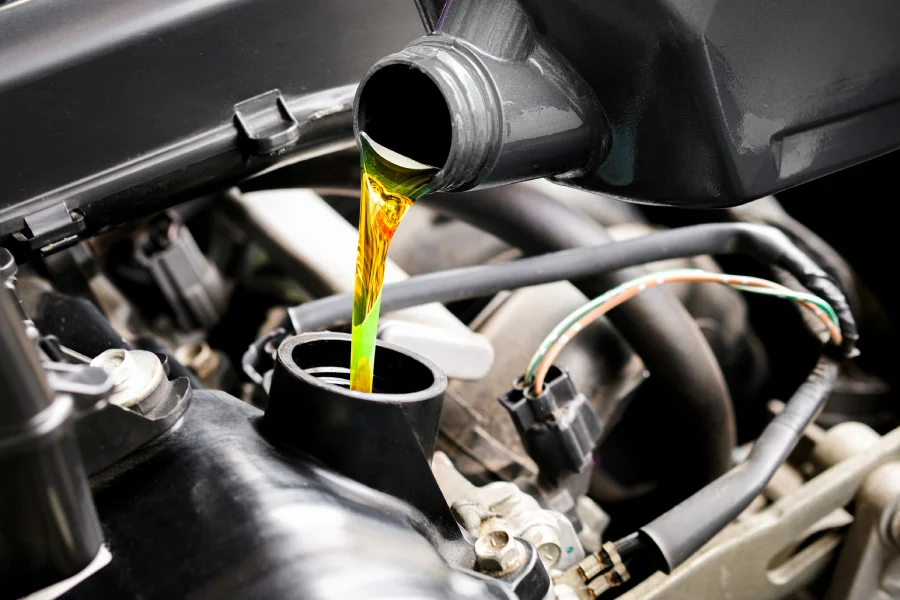
In colder climates, vehicles face several challenges that can influence oil change schedules. Cold temperatures thicken motor oil, making it harder for the engine to pump. Thick oil may not lubricate engine parts efficiently, leading to increased friction and potential damage. For those living in such areas, it’s essential to consider more frequent oil changes to ensure optimal engine performance.
Hot Weather Effects
High temperatures present another set of challenges for vehicles. Heat can cause motor oil to thin out, reducing its ability to protect engine components adequately. When oil becomes too thin, it fails to provide sufficient lubrication, increasing the risk of overheating and wear. Regular oil checks and changes become even more important in hot climates to maintain engine health.
Humidity and Its Influence
Humid conditions can also impact how often you need an oil change. Moisture from humidity can mix with motor oil, leading to sludge formation. Sludge hampers oil flow and decreases its ability to lubricate the engine effectively. Residents in humid areas should be vigilant about their vehicle maintenance schedule, potentially opting for more frequent Mobile Oil Change services.
Seasonal Changes
Aside from temperature extremes, seasonal transitions can also affect oil change frequency. As seasons shift, so do driving conditions and environmental factors like pollen or dust levels. These elements can enter the engine system, necessitating regular filter checks and oil changes to maintain peak performance. A proactive approach will help mitigate these effects.
Understanding Driving Conditions
Your daily driving conditions can further influence when you should opt for an oil change. Stop-and-go traffic, common in urban settings, causes engines to run hotter than usual. Vehicles driven under such conditions may require more frequent servicing to prevent overheating and excessive wear on engine parts. Utilizing Mobile Oil Change services can offer convenience and efficiency in such scenarios.
Manufacturer Recommendations
Vehicle manufacturers typically provide guidelines regarding oil change intervals based on ideal conditions. However, real-world factors like climate and usage might necessitate deviations from these recommendations. Consulting your vehicle’s manual while considering local weather patterns ensures your car receives the best care tailored to its environment.
Tips for Efficient Vehicle Maintenance
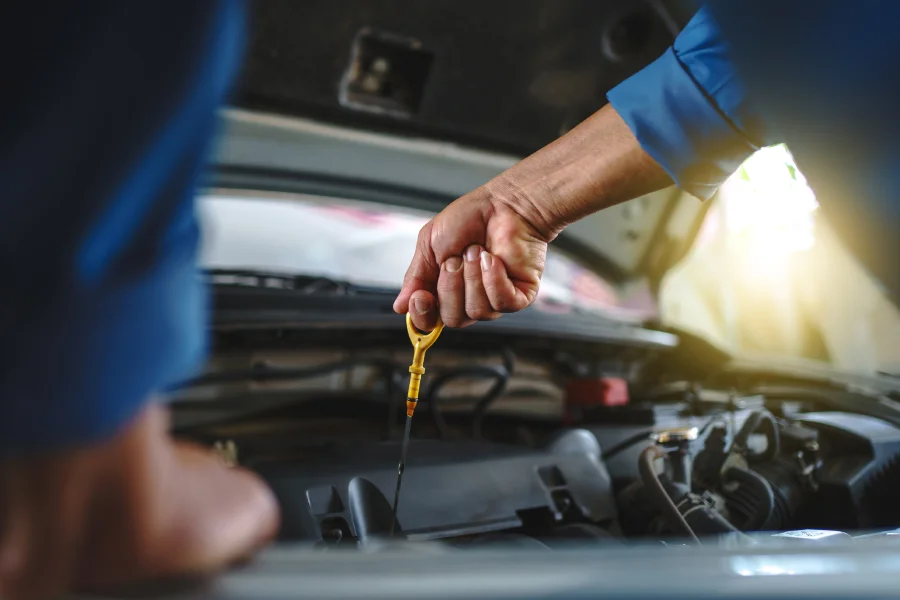
- Regularly check your vehicle’s oil level and color.
- Consider synthetic oils if you frequently drive in extreme temperatures.
- Consult professionals for advice specific to your vehicle model and climate.
- Avoid extended idling as it contributes to faster oil degradation.
Conclusion: Adapting Your Oil Change Routine
Adjusting your oil change routine according to weather conditions is vital for maintaining vehicle health. Whether dealing with cold, heat, or humidity, understanding these factors enables better decision-making regarding maintenance schedules. Contact Tapia Auto Repair LLC at (520) 779-8987 for expert assistance tailored to your specific needs. Our team is located in Tucson, AZ and ready to support your vehicle maintenance efforts.